
What is a fistulotomy?
A fistulotomy is a surgical procedure used to treat an anal fistula, which is an abnormal connection or tunnel that forms between the skin near the anus and the inside of the rectum. This condition often develops as a result of infections or abscesses in the area.
During a fistulotomy, the surgeon carefully opens the fistula to allow it to heal properly. The procedure can be performed under local or general anesthesia, depending on the size and complexity of the fistula. Recovery typically takes several weeks, and proper wound care is crucial to prevent complications.
After a fistulotomy, proper aftercare is essential for healing and preventing complications. Here are some general guidelines:
- Pain Management: You may experience some discomfort. Over-the-counter pain relievers like acetaminophen or ibuprofen can help. If prescribed, take pain medication as directed.
- Wound Care: Keep the surgical area clean and dry. Sitz baths (sitting in warm water) several times a day, especially after bowel movements, can soothe the area and promote healing.
- Diet: Eat a high-fiber diet and drink plenty of fluids to prevent constipation and make bowel movements easier. You might also consider a fiber supplement or stool softener if recommended by your doctor.
- Activity: Rest as needed, but light activities like walking can aid recovery. Avoid heavy lifting or strenuous activities until cleared by your doctor.
- Hygiene: Avoid using toilet paper; instead, clean the area gently with water or unscented wipes.
- Follow-Up: Attend all follow-up appointments to ensure proper healing.
If you notice unusual symptoms like excessive bleeding, fever, or difficulty urinating, contact your healthcare provider immediately.
After a fistulotomy, it’s important to monitor for potential complications to ensure proper healing. Here are some common issues to watch for:
- Infection: Signs include increased redness, swelling, warmth, or foul-smelling discharge from the wound. Severe infections may require antibiotics or hospitalization.
- Bleeding: Heavy bleeding or discharge from the surgical site can occur, especially in the initial recovery period.
- Delayed Wound Healing: If the wound remains unhealed for longer than 12 weeks, it may require additional medical attention.
- Bowel Incontinence: Damage to the anal sphincter muscles during surgery can lead to difficulty controlling bowel movements. This is uncommon but can occur depending on the location of the fistula.
- Recurrence of the Fistula: In some cases, the fistula may return after surgery, requiring further treatment.
- Anal Stenosis: Narrowing of the anal canal can develop, causing discomfort or difficulty with bowel movements.
, it’s important to know when to seek emergency medical attention. Here are some signs that require immediate care:
- Severe Bleeding: If you experience heavy or uncontrollable bleeding from the surgical site.
- Signs of Infection: High fever, chills, increased redness, swelling, or foul-smelling discharge from the wound.
- Severe Pain: Intense pain that doesn’t improve with prescribed pain medications.
- Difficulty Passing Stool or Urine: If you are unable to have a bowel movement or urinate, or if it becomes extremely painful.
- Worsening Symptoms: Any sudden or severe worsening of your condition, such as increased swelling or drainage.
If you notice any of these symptoms, contact your healthcare provider or go to the nearest emergency room immediately.
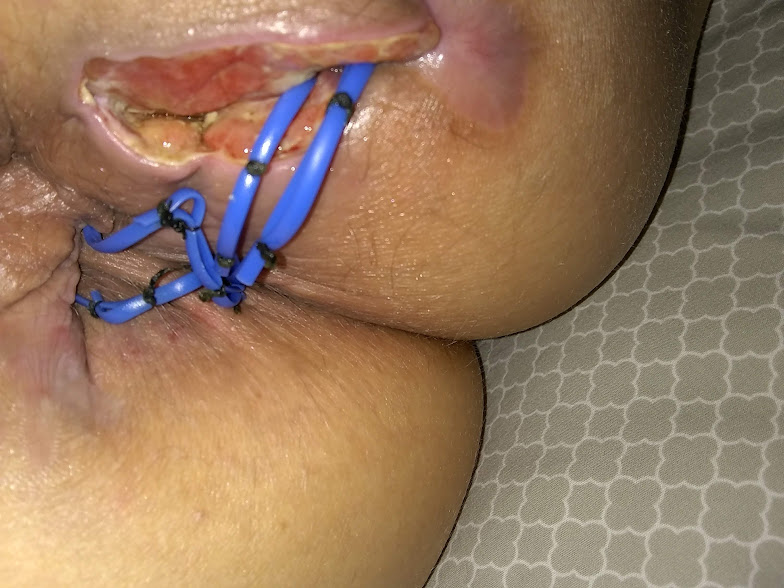
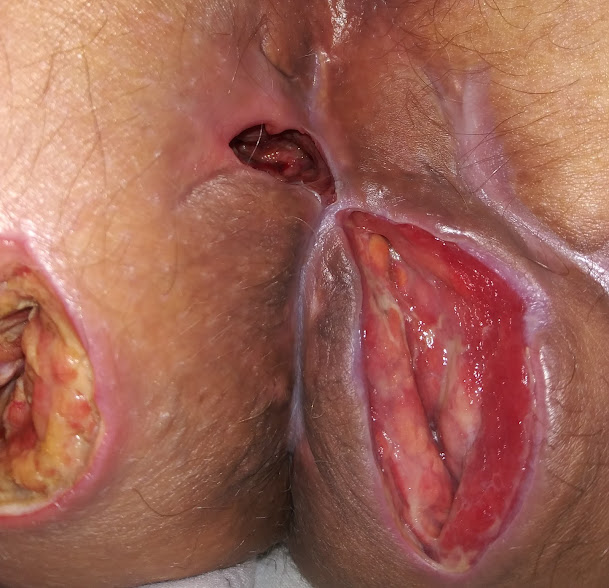
Packing fistulotomy incisions is a crucial part of the healing process, as it helps the wound heal from the inside out and prevents the formation of abscesses or pockets. Here are some key points about the process:
- Purpose of Packing: The packing material, usually gauze, is placed inside the wound to absorb drainage and keep the wound open. This ensures that the wound heals properly from the base to the surface.
- Frequency of Dressing Changes: The frequency of packing changes depends on the amount of drainage and your healthcare provider’s instructions. It may need to be changed daily or more frequently in the initial stages.
- Technique:
- Before packing, the wound should be cleaned, often with a saline solution.
- The packing material is gently placed into the wound without overpacking, as this can cause pressure and discomfort.
- A clean dressing is applied over the packed wound to protect it.
- Pain Management: Packing can be uncomfortable, so pain relief measures, such as taking prescribed painkillers or using a numbing agent, may be recommended before the procedure.
- Monitoring for Complications: It’s important to watch for signs of infection, such as increased redness, swelling, or foul-smelling drainage, and report these to your healthcare provider.
For more detailed guidance, you can refer to resources like the Cleveland Clinic’s overview of fistulotomy or Verywell Health’s guide. Always follow your healthcare provider’s specific instructions for wound care.
Your message has been sent

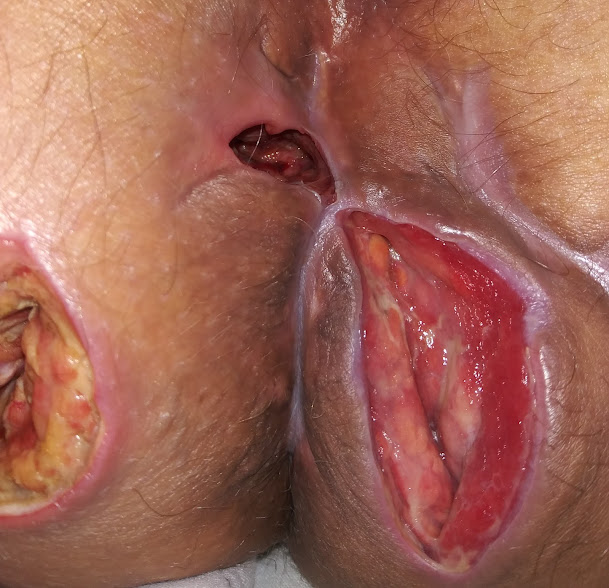
 Fistulizing Perianal Crohn's