
- What is Fistulizing Perianal Crohn’s Disease?
- Types Of Fistulas and Possible Treatments
- Fistulotomy- What it is and general after care instructions
- Anti-inflammatory Diet, Herbal Supplements and Lifestyle changes
These are Products I found Helpful when I had Setons, It is Linked To Amazon. I am not selling, have no stake in the companies but My CRS gave me very little information go go On and from my support groups I sadly, see that many other people get the same aftercare instructions I did which was well you now a seton, figure it out yourself.
Living with a Seton: What You Need to Know
First, let me start by saying that I’m sorry you’ve found your way to this page. It likely means you have a seton, and you’re looking for more information. If that’s the case, please know that you’re not alone. This journey is far from easy, but you’ve taken the important first step—seeking knowledge and support.
One piece of advice I want to share right away is this: for many people with Fistulizing Perianal Crohn’s disease, having a seton long term can often be the most effective treatment option. While it’s tempting to pursue corrective surgery for fistulas, it’s crucial to proceed with caution. Overzealous colorectal surgeons rushing into these surgeries frequently leads to failures and complications—some of which can leave you worse off than before.
Why Setons Can Be an Effective Option
Setons serve an important purpose: they help keep fistula tracts open, allowing them to drain continuously and prevent abscess formation. While they are not a “cure,” setons can significantly reduce pain, manage infection, and improve quality of life. For complex fistulas, they can also be a vital part of a multidisciplinary care plan to minimize further damage to sphincter muscles and reduce the risk of incontinence.
The Importance of a Multidisciplinary Approach
Fistulizing Perianal Crohn’s disease is an incredibly complex condition, and no single specialist can solve all aspects of it. Treatment requires a multidisciplinary team working together to address the full scope of the disease. This team may include:
- Gastroenterologists to manage inflammation and medications like biologics.
- Colorectal Surgeons for surgical interventions, including seton placement or drainage procedures.
- Radiologists to provide accurate imaging, such as MRI scans, to guide treatment decisions.
- Nutritionists or Dietitians to help optimize your diet and minimize triggers for inflammation.
- Mental Health Professionals to address the emotional toll, as depression and anxiety rates are notably high in those living with this condition.
Collaborating with specialists ensures that no aspect of your care is overlooked, and it significantly increases the likelihood of achieving better outcomes.
Advocate for Yourself
As a patient, your voice is critical. Here are some steps you can take to be your best advocate:
- Insist on Comprehensive Testing: Request blood work, MRIs, and colonoscopies to fully understand the extent of your condition. These diagnostic tools are essential for guiding treatment.
- Seek Second Opinions: If you’re uncomfortable with the recommendations from your current provider, don’t hesitate to consult other specialists. Crohn’s disease is highly individualized, and a fresh perspective can make all the difference.
- Do Your Research: Learn about your condition and treatment options. While doctors provide guidance, knowledge empowers you to make informed decisions.
- Dietary Adjustments: Consider adopting an anti-inflammatory diet to support overall gut health. Small changes, like incorporating omega-3-rich foods and avoiding processed options, can make a noticeable difference.
Mental Health Matters
Never underestimate the impact of living with this condition on your emotional well-being. The pain associated with perianal Crohn’s is immense and often overlooked. Depression and anxiety are common, and addressing these issues is just as important as managing the physical symptoms. Whether it’s therapy, mindfulness practices, or finding a supportive community, prioritizing your mental health is key to coping with this chronic condition.
The Path Forward
Living with a seton is not easy, but it’s often a necessary and effective part of managing fistulizing perianal Crohn’s disease. Remember that every person’s journey is unique, and there is no one-size-fits-all solution. By building a team of trusted professionals, staying informed, and advocating for your care, you’re taking control of your health in a meaningful way.
This page is here to provide guidance, support, and resources. Keep exploring, stay curious, and never hesitate to reach out to your care team or others navigating similar challenges. Your health and well-being are worth the effort.
Caring for Setons After Surgery for Fistulizing Perianal Crohn’s Disease
Proper care for setons is essential to ensure optimal healing, prevent infections, and manage discomfort. While setons are effective in promoting drainage and minimizing complications, their maintenance requires a proactive and thorough approach. Below are comprehensive aftercare guidelines:
1. Hygiene
Maintaining cleanliness around the seton is critical for preventing infection and promoting healing.
- Clean the area at least once daily using warm water and mild, unscented soap. Avoid products with harsh chemicals that could irritate sensitive skin.
- Use a gentle technique—avoid scrubbing to prevent damage to the surrounding tissues. Instead, pat the area dry with a clean, soft towel or disposable paper towel to minimize the risk of contamination.
- Consider using a sitz bath (a shallow, warm bath designed for the perianal area) several times a day, especially after bowel movements, to soothe the area and reduce the risk of infection.
2. Pain Management
Managing discomfort is a crucial part of recovery, as pain can impede healing and negatively impact daily life.
- Over-the-counter pain relievers, such as ibuprofen or acetaminophen, can help manage mild to moderate pain. However, always consult your doctor before taking any medications to ensure they are safe and appropriate for you.
- If pain persists or worsens, discuss prescription options with your healthcare provider. Additionally, applying warm compresses to the area may provide relief from soreness or discomfort.
3. Diet and Bowel Care
Proper diet and bowel habits play a significant role in reducing strain on the perianal area and minimizing complications.
- Hydration: Drink plenty of water throughout the day to soften stools and promote regular bowel movements.
- Diet: Incorporate high-fiber foods like fruits, vegetables, and whole grains to prevent constipation. If fiber worsens symptoms for you, work with a dietitian to find alternatives that suit your digestive needs.
- Avoid foods that trigger inflammation or cause diarrhea, such as spicy foods or high-fat options, and maintain a food diary to identify problematic items.
- Consider stool softeners or laxatives if constipation becomes an issue, but always consult your healthcare provider before use.
4. Wound Care
Seton placement often involves surgical wounds that require careful monitoring and maintenance.
- Follow your doctor’s specific instructions regarding dressing changes. Sterile gauze or recommended medical dressings should be used to protect the area.
- Apply any prescribed ointments or antibiotics directly to the wound to prevent infection and promote healing.
- Check the area daily for signs of infection, such as excessive redness, swelling, discharge, or foul odor, and report these symptoms to your healthcare provider immediately.
5. Physical Activity and Rest
Balancing movement and rest is key to ensuring proper healing.
- Avoid strenuous activities such as heavy lifting, intense exercise, or prolonged sitting until your doctor clears you to resume normal activities.
- Gradually reintroduce light activity like walking to promote circulation and overall well-being.
- Use a cushion when sitting to reduce pressure on the perianal area and enhance comfort during recovery.
6. Follow-Up Care
Regular follow-ups are essential to monitor progress and address any issues that may arise.
- Keep all scheduled appointments with your healthcare provider to ensure the seton is functioning as intended and the wound is healing properly.
- If you experience unusual symptoms, such as severe pain, fever, or increased discharge, contact your doctor promptly.
7. Mental Health and Support
The recovery process can be emotionally taxing, especially for individuals dealing with chronic conditions like Crohn’s disease.
- Don’t hesitate to reach out to mental health professionals, support groups, or close friends and family for emotional support.
- Practicing mindfulness, relaxation techniques, or meditation can help reduce stress and improve your overall outlook during recovery.
Additional Tips
- Be proactive in learning about your condition and treatment options—knowledge is empowerment.
- Ask questions during follow-ups and ensure your concerns are addressed by your care team.
- Consider exploring lifestyle changes, such as quitting smoking and adopting an anti-inflammatory diet, which can support long-term healing and reduce Crohn’s-related complications.
Caring for setons requires patience, attention, and advocacy for your own health. By following these detailed aftercare tips, you can support your healing journey while minimizing risks and complications.
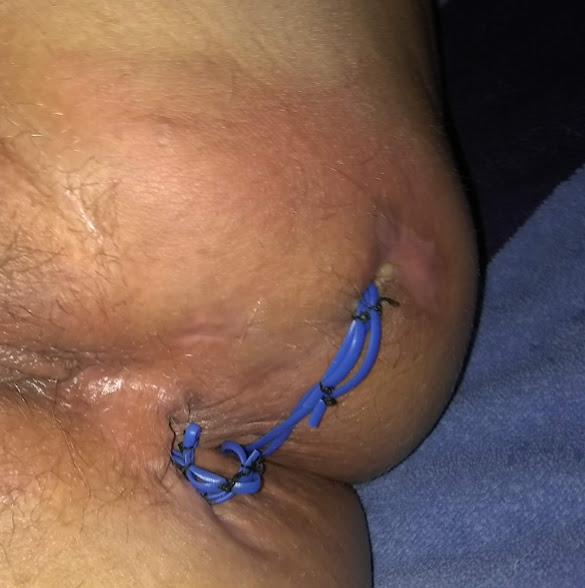
The photo above shows two setons in place. If you look closely, you can see a slightly raised pink area—this indicates an abscess starting to form. If you notice increasing pain, warmth, redness, or a lump, especially when sitting, seek immediate medical attention at an ER equipped with colorectal surgery services. With or without regard to a fever especially if you are being treated with immunosuppressive drugs such as Azathioprine, Humira, Stelara, Skirizi, Etc.
Watch for Potential Complications
After surgery for fistulizing perianal Crohn’s disease, staying vigilant for potential complications is critical to ensure proper healing and prevent setbacks. Be on the lookout for the following:
- Infection: Keep an eye out for redness, swelling, warmth, unusual discharge, or fever, as these are common signs of infection. Prompt medical attention is essential if these symptoms arise.
- Pain: While some discomfort is expected, persistent or worsening pain could indicate complications and should be evaluated by a healthcare provider.
- Abscesses: Watch for new lumps, swelling, or tenderness around the seton area, as these may suggest the development of an abscess.
- Skin Irritation: The surrounding skin is susceptible to irritation or breakdown due to drainage or frequent cleaning.
- Bleeding: Minor bleeding is normal, but excessive or prolonged bleeding warrants immediate medical attention.
Preventing Infection
Proper hygiene and preventative measures play a pivotal role in minimizing infection risks:
- Daily Cleaning: Clean the area gently at least once daily with warm water and a mild, unscented soap. Avoid scrubbing the area to prevent irritation or damage to healing tissues.
- Protective Barriers: Use gauze pads or panty liners to absorb drainage from the seton. Be sure to change them frequently to keep the area dry and clean.
- Avoid Irritants: Steer clear of scented products or harsh chemicals near the site, as these can irritate sensitive skin and delay healing.
- Hydration and Nutrition: Staying hydrated and maintaining proper nutrition supports the healing process.
The Role of Nutrition in Healing
Adequate nutrition is essential for wound healing, tissue repair, and overall recovery. Include the following in your diet:
- Protein-Rich Foods: Protein is crucial for tissue regeneration and wound healing. Incorporate lean meats, fish, eggs, beans, tofu, and low-fat dairy into your meals. If you struggle to consume enough protein through food, consider discussing protein supplements with your healthcare provider.
- Vitamin and Mineral Support: Include foods rich in vitamins A, C, and zinc, which are vital for immune function and tissue repair. Examples include leafy greens, citrus fruits, berries, nuts, and seeds.
- Stay Hydrated: Drinking adequate fluids helps prevent dehydration, supports overall bodily functions, and eases bowel movements, reducing strain on the perianal area.
Specific Cleaning Techniques
Proper cleaning techniques are essential for maintaining hygiene and preventing complications:
- After bowel movements, rinse the area with warm water. A handheld showerhead can provide targeted cleaning, or you can use a sitz bath for extra comfort and thoroughness.
- Unscented wipes are gentler on the skin than toilet paper and can help reduce irritation.
- Apply a barrier cream, such as Desitin or A&D ointment, to protect the surrounding skin if you experience ulceration or irritation from drainage or fecal matter.
Additional Aftercare Tips
Beyond hygiene and nutrition, these practices can help promote healing and enhance your comfort:
- Sitz Baths: Soaking in a warm sitz bath for 10–15 minutes, a few times daily, can soothe discomfort, reduce inflammation, and promote healing.
- Loose Clothing: Opt for breathable, loose-fitting fabrics to avoid friction and irritation around the seton site.
- Symptom Tracking: Keep a detailed journal of any changes, concerns, or symptoms. Share this information during follow-up appointments to help your doctor monitor progress effectively.
- Rest and Hydration: Prioritize restful sleep and regular hydration to support your body’s natural healing processes.
Caring for setons and supporting your body with proper nutrition and hydration are key to your recovery. Be proactive about seeking medical advice for any concerning symptoms, and don’t hesitate to advocate for yourself throughout the healing process
- What is Fistulizing Perianal Crohn’s Disease?
- Types Of Fistulas and Possible Treatments
- Fistulotomy- What it is and general after care instructions
- Anti-inflammatory Diet, Herbal Supplements and Lifestyle changes
Your message has been sent

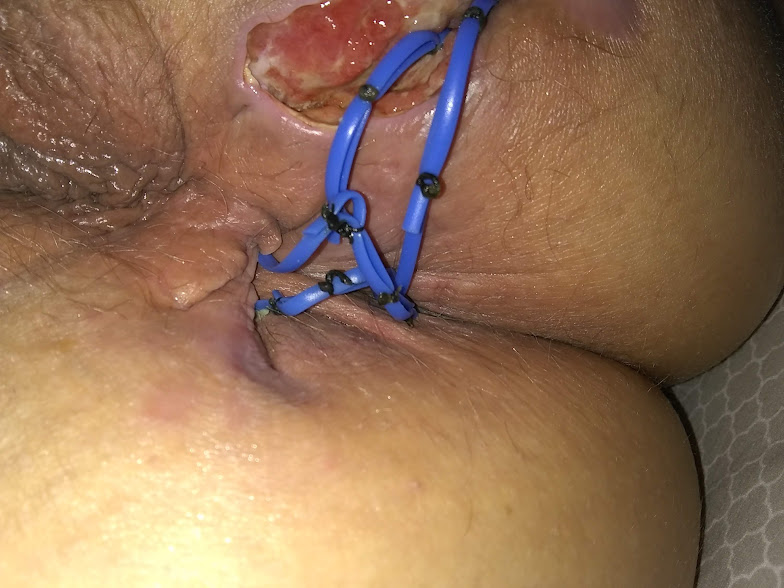
 Fistulizing Perianal Crohn's