

Patients often have questions about fistulizing perianal Crohn’s disease. Here are some common ones:
What is Fistulizing Perianal Crohn’s Disease? Fistulizing perianal Crohn’s disease is a type of Crohn’s disease where fistulas—abnormal connections between different tissues—form around the anus.
What are the symptoms? Symptoms may include pain, swelling, and discharge near the anus, alongside general Crohn’s symptoms such as abdominal pain, diarrhea, and changes in weight.
How is it diagnosed? Diagnosis typically involves physical exams, imaging tests like MRI or CT scans, and sometimes endoscopic procedures. It’s crucial to have a multidisciplinary team of specialists collaborating on care. This can include experts in colorectal surgery, gastroenterology, infectious diseases, and sometimes dermatology. In my case, my primary care physician was instrumental in saving my life. I also strongly recommend working with mental health professionals, such as therapists, because living with this disease can be physically painful and emotionally taxing.
What causes fistulas to form? Fistulas develop due to inflammation or abscesses that create sores or ulcers, which then extend through the intestinal wall to other tissues.
What are the treatment options? Treatment options include antibiotics, biologic medications, and surgical interventions, such as seton placement, to manage infection and inflammation.
Can Fistulizing Perianal Crohn’s Disease be cured? While there is no cure, many people achieve remission and experience long symptom-free periods. Numerous treatment options are available to help manage symptoms and improve quality of life.
What lifestyle changes can help? Maintaining a healthy diet, managing stress, and collaborating closely with your healthcare team can significantly improve disease management.
Is it common to have recurring abscesses or fistulas? Yes, recurring abscesses and fistulas are common. Contact your specialists if you experience new symptoms, such as pain, swelling, redness (you can use your phone’s camera to monitor the perianal area for signs of cellulitis), or excessive foul-smelling drainage.
Patients with fistulizing perianal Crohn’s disease often face various concerns, including:
Pain and Discomfort: The physical pain and discomfort caused by abscesses and fistulas can be significant, often interfering with daily activities.
Recurrence: Many patients worry about the recurrence of abscesses and fistulas, even after undergoing treatment.
Infection: The risk of infection is a constant concern, as it can lead to serious complications and require additional medical interventions.
Impact on Quality of Life: The condition can severely affect a patient’s quality of life, limiting their ability to work, socialize, and engage in physical activities they once enjoyed.
Emotional and Mental Health: The chronic nature of the disease often leads to stress, anxiety, and depression, making emotional well-being an essential part of managing the condition.
Body Image and Intimacy: Concerns about body image and intimacy are common, as the physical symptoms can impact self-esteem and personal relationships.
Treatment Side Effects: Patients frequently worry about potential side effects of medications and surgical treatments, as well as long-term complications.
Access to Care: For those living in remote areas, ensuring access to specialized care and support can be a significant challenge, adding another layer of stress to their journey.

First: If you’ve just had an incision and drainage (I&D) for your first perianal abscess, don’t panic! We’ve got you covered with aftercare instructions to help prevent recurrence. Many surgeons perform I&D procedures without providing wound care information, but you’ll find it here.
Important Reminder: Having a perianal abscess doesn’t automatically mean you have fistulizing perianal Crohn’s Disease. Even developing a fistula doesn’t confirm Crohn’s. Perianal abscesses often occur due to clogged anal crypt glands. When an abscess forms, pressure builds as the body tries to create an outlet.
A perianal abscess is a painful condition caused by an accumulation of pus in the tissues surrounding the anus. It occurs when anal crypt glands—small glands within the anus—become clogged or infected, leading to the development of an abscess. This can result in swelling, redness, and tenderness in the affected area, often accompanied by a sensation of fullness or pressure.
The abscess forms in the fatty tissue beneath the skin near the anus, similar to how a cavity might fill with fluid. Symptoms may include severe pain that worsens with sitting, bowel movements, or pressure on the area. Additionally, fever, chills, and general fatigue might occur if the infection spreads.
Perianal abscesses can vary in size and severity, and if left untreated, they may lead to further complications like the formation of fistulas, which are abnormal tunnels connecting the abscess to nearby tissues or the skin.
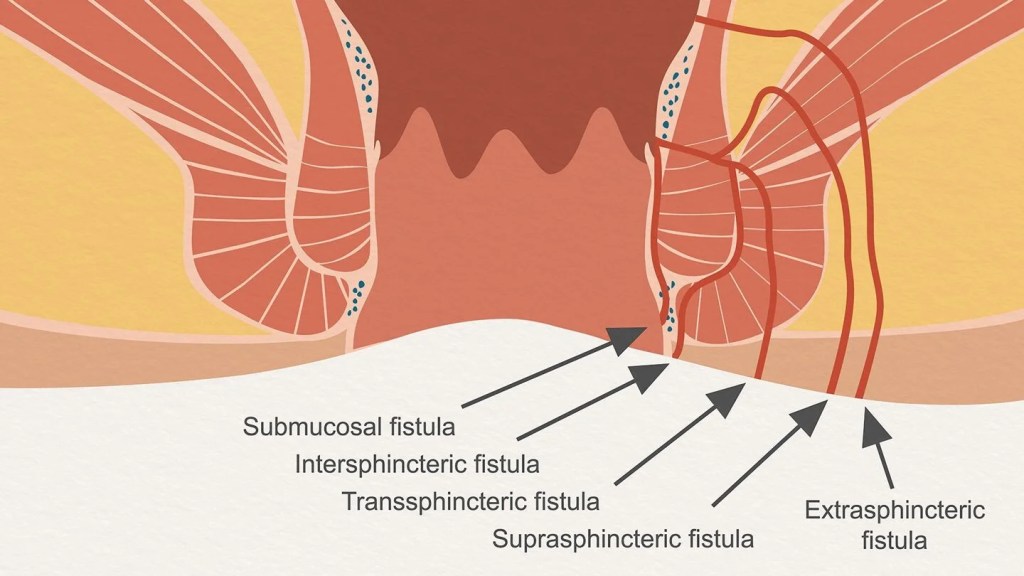
 Fistulizing Perianal Crohn's